How Hydraulic Hammers Are Shaping Construction Industry Trends
Hydraulic hammers continue to shape construction industry trends in 2025, driving remarkable progress in efficiency and sustainability. The construction segment now accounts for 41% of global hydraulic hammer adoption, with the market projected to reach US$ 1.6 billion this year.
| Aspect | Impact |
|---|---|
| Energy Efficiency | Advanced hydraulic hammer technology optimizes energy usage and reduces consumption. |
| Safety Enhancements | Innovation delivers improved safety features on construction sites. |
| Environmental Impact | Eco-friendly fluids and systems lower contamination and emissions. |
Key Takeaways
- Hydraulic hammers enhance construction efficiency by speeding up pile driving and reducing labor costs.
- Modern hydraulic hammers improve safety with features like anti-vibration systems and hydraulic flow control.
- Eco-friendly designs and materials in hydraulic hammers support sustainability and lower environmental impact.
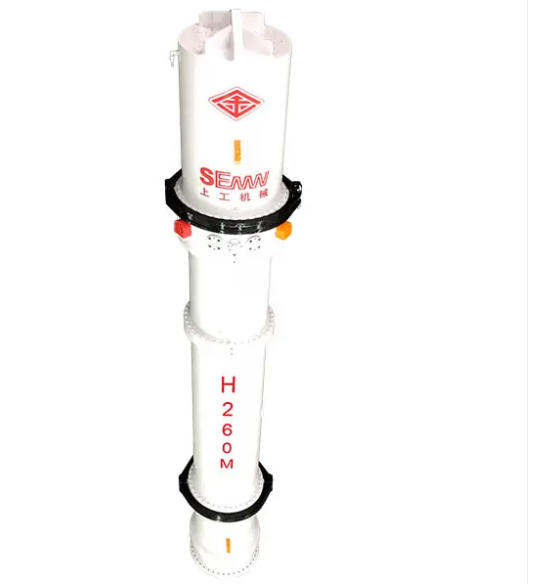
Hydraulic Hammer Efficiency Trends
Productivity Gains in Pile Driving
Hydraulic hammers have transformed pile driving by delivering consistent, high-impact energy with every cycle. Contractors now complete foundation work for buildings, bridges, and docks faster than ever. The H350MF hydraulic hammer, for example, features a robust design that streamlines the lift-drop-inject-reset process. This efficiency reduces downtime and increases the number of piles driven per day. As a result, infrastructure development projects benefit from shorter timelines and lower labor costs. These trends contribute to market growth and a larger market size for advanced construction equipment.
Safety Improvements with Modern Hydraulic Hammers
Modern hydraulic hammers incorporate several safety features that protect operators and job sites. Anti-vibration systems, flexible mounts, and hydraulic flow control all play a role in minimizing risks. The table below highlights key advancements:
| Advancement Type | Description |
|---|---|
| Anti-Vibration Systems | Systems designed to absorb and dampen vibrations, preventing transfer to the operator and environment. |
| Flexible Mounts | Mounts made from rubber that isolate vibrations, reducing impact on operators and surrounding areas. |
| Hydraulic Flow Control | Optimizes hydraulic fluid flow to minimize shock waves and vibrations during operation. |
These technological advancements help reduce workplace injuries and improve overall performance and efficiency.
Reduced Noise and Vibration
Noise and vibration reduction remains a top priority in urban construction. Manufacturers use insulated covers and sound-absorbing materials to contain noise within the hydraulic hammer. Modern models operate at lower decibel levels, and some offer variable-speed options to further control noise output. Anti-vibration dampening systems and silenced box housings protect both operators and nearby structures. Lower noise and vibration levels help construction teams comply with strict local regulations, avoid regulatory fines, and prevent project delays due to community complaints. These improvements ensure that hydraulic hammers remain a preferred choice for sensitive applications in densely populated areas.
Note: Reduced vibration also limits structural damage to nearby buildings, supporting safer and more sustainable construction practices.
Hydraulic Hammer Technology Advances
Intelligent Controls and Automation
Intelligent controls and automation represent a major leap in hydraulic hammer technology. Modern systems use sensors and adaptive software to monitor and adjust performance in real time. These advancements in hydraulic hammers allow operators to achieve optimal performance and efficiency without manual recalibration. The integration of IoT enables remote monitoring and proactive maintenance scheduling, which extends equipment service life and reduces unexpected downtime.
| Advancement Type | Description | Impact on Efficiency |
|---|---|---|
| Intelligent Control Systems | Sensors and algorithms monitor performance in real time. | Optimizes efficiency and productivity, reducing wear. |
| Sensor Integration | Sensors track pressure, impact frequency, and material resistance. | Enables real-time adjustments for optimized energy use. |
| Adaptive Software Algorithms | Analyze sensor inputs to modify impact energy based on material hardness. | Ensures consistent breaking efficiency, reducing downtime. |
| IoT Integration | Allows for remote monitoring and proactive maintenance scheduling. | Enhances reliability and extends service life of equipment. |
Operators benefit from real-time performance monitoring, energy optimization, and reduced downtime. Proactive maintenance becomes possible through early fault detection, which helps contractors maintain high productivity levels on job sites.
Material Innovations in Hydraulic Hammer Design
Material innovations set new standards for reliability and adaptability in hydraulic hammer technology. Manufacturers now use premium, heavy-duty materials that withstand harsh conditions and extend service life. Reinforced components and advanced cooling systems prevent overheating during prolonged use. Blank-firing protection guards against metal-to-metal contact, reducing wear and tear.
- Advanced hydraulics combined with new materials enhance power and durability.
- Reinforced components increase durability and minimize downtime.
- Advanced cooling systems prevent overheating, supporting longer operation.
- Blank-firing protection reduces wear during operation.
- Heavy-duty materials ensure robust performance and long service life.
Recent technological advancements include ceramic-metal composites and nanostructured alloys. These materials extend service life to over 3,000 hours and increase hardness, enabling the crushing of ultra-hard materials. Modular designs and lightweight engineering, such as aluminum alloy frames, improve transport efficiency and mobility. Routine inspection and proper hydraulic system settings remain crucial for maximizing the lifespan and minimizing maintenance costs.
| Innovation Type | Benefit Description |
|---|---|
| AI-Powered Adaptive Systems | Real-time IoT sensors optimize impact frequency and force distribution, reducing energy consumption by 27%. |
| Predictive maintenance algorithms cut unplanned downtime by 35%, leveraging vibration analytics. | |
| Next-Gen Wear Materials | Ceramic-Metal Composites extend service life to 3,000+ hours, cutting replacement costs by 65%. |
| Nanostructured Alloys increase hardness to HRC 65, enabling crushing of ultra-hard materials. | |
| Modular Design & Lightweight | Swappable crushing chambers enable 30-minute maintenance cycles, reducing operational interruptions. |
| Engineering | Aluminum alloy frames reduce weight by 22%, enhancing transport efficiency and mobility. |
Customizable Impact Force and Frequency
Customizable impact force and frequency define the versatility of hydraulic hammer technology. Contractors select hammers based on the type of material and project requirements. Adjustable impact energy allows operators to fine-tune force according to ground conditions, making the equipment suitable for both hard rock layers and soft ground.
| Benefit | Description |
|---|---|
| Adjustable Impact Energy | Impact force can be fine-tuned according to ground conditions. |
| Versatility | Suitable for both hard rock layers and soft ground. |
| Impact Energy and Frequency | Light-duty breakers deliver 200-500 J, while large hammers exceed 8,000 J. |
| Operating Frequency | Ranges from 250 to 1,800 blows per minute, depending on the model. |
| Performance Optimization | Lower frequencies with higher energy work better for hard rock; higher frequencies suit concrete demolition. |
Contractors consider material type, hammer size, compatibility with carrier machines, and hydraulic system capacity when choosing equipment. For demanding jobs like breaking hard rock, higher energy outputs are necessary. High-frequency models work best for softer materials requiring fast fragmentation. Proper hydraulic matching ensures maximum performance and efficiency.
Tip: Understanding project needs and matching the hydraulic hammer to specific requirements ensures safety, efficiency, and optimal results.
The H350MF hydraulic hammer stands out with its double-acting mode, high energy output, and customizable impact force and frequency. Its PLC and relay control options provide adaptability for diverse construction environments. These features reflect current trends and set new benchmarks for performance and efficiency in hydraulic hammer technology.
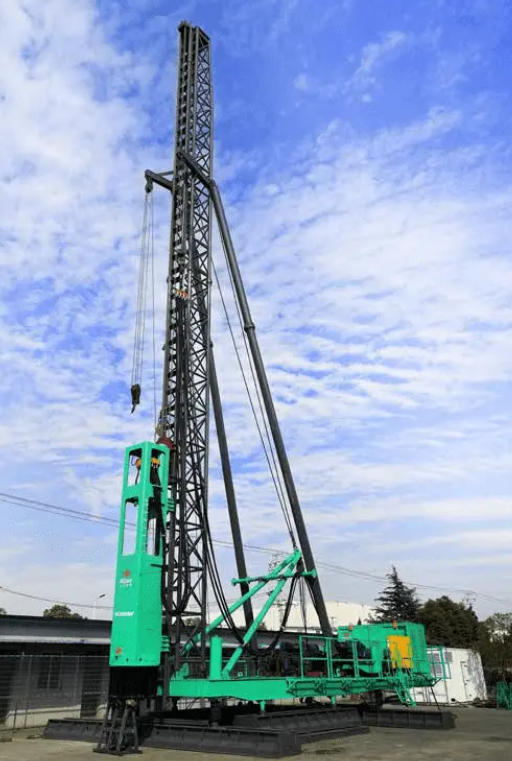
Hydraulic Breaker Market Dynamics
Growth Drivers in Urban Construction
Urban construction projects continue to fuel market growth for hydraulic hammers and breakers. The hydraulic breaker market is projected to reach approximately USD 3.5 billion by the end of 2024. Analysts expect a compound annual growth rate (CAGR) of 5.5% over the next five years. From 2025 to 2030, the global hydraulic breaker market will likely generate $1,585.5 million in revenue with a CAGR of 8.14%. Several factors drive these trends:
- Urban construction and infrastructure development increase demand for advanced hydraulic breaker technology.
- The Asia-Pacific region leads market growth due to rapid urbanization and large-scale infrastructure projects.
- Government initiatives and smart city programs boost the need for efficient hydraulic hammer solutions.
Market Segmentation by Application
Industry experts segment the hydraulic hammer market by application, pile type, and technology. The following table summarizes key segments:
| Segment Type | Description |
|---|---|
| Application | Hydraulic pilebreakers serve construction, demolition, and infrastructure development projects. |
| Type | Round pilebreakers and square pilebreakers address different construction needs and pile designs. |
| Technology | Continuous advances in hydraulic breaker technology expand applications and improve performance. |
Contractors select equipment based on project requirements, pile shape, and the latest design innovations. This segmentation helps manufacturers target specific market size opportunities and optimize product offerings.
Key Challenges and Restraints
The hydraulic breaker market faces several challenges that influence adoption and utilization:
- High initial investment costs limit access for smaller contractors.
- Maintenance and repair expenses require specialized skills and resources.
- Fluctuations in construction and mining industries affect demand for hydraulic hammer systems.
- A shortage of skilled operators slows the adoption of advanced hydraulic breaker technology.
- Stricter environmental regulations on noise and emissions increase production costs and drive new design standards.
Manufacturers respond by integrating IoT-enabled sensors, advanced noise reduction technologies, and lightweight composite materials. These solutions help address market restraints and support ongoing infrastructure development.
Sustainable Hydraulic Hammer Solutions
Energy-Efficient Hydraulic Systems
The construction and demolition industries demand equipment that balances power with sustainability. Manufacturers now prioritize energy-efficient designs to reduce both operational costs and environmental impact. The H350MF hydraulic hammer stands out for its low noise, minimal vibration, and reduced pollution, aligning with modern sustainability standards.
Energy-efficient hydraulic hammers reduce the need for multiple specialized attachments, which leads to lower equipment and operational costs. Their efficient operation also decreases energy consumption in the overall processing operation, contributing to cost savings and a more sustainable approach to mining and aggregate processing.
Eco-Friendly Fluids and Materials
Sustainable hydraulic hammer design relies on eco-friendly fluids and materials. Many manufacturers have adopted the following practices:
- Biodegradable fluids break down naturally, reducing risks to soil and water systems in case of leaks.
- Low toxicity fluids are less harmful to plants, animals, and human operators.
- Fluids made from renewable resources, such as vegetable oils and synthetic esters, provide high lubricity and stability.
- Recyclable fluids support circular economy principles by allowing easy reclamation and reuse.
These initiatives help manufacturers minimize ecological footprints and align with global sustainability goals.
Durability and Lifecycle Management
Durability and proper lifecycle management ensure long-term performance and reliability. Best practices include:
- Regular inspections for loose bolts, leaks, and worn parts before each use.
- Greasing the hammer at least once per use to prevent excessive wear.
- Training operators on correct techniques, such as not hammering the same spot for too long and holding the hammer perpendicular to the material.
- Storing hammers vertically to prevent damage from weight and moisture.
Routine maintenance and operator training extend equipment life, reduce waste, and support sustainable construction practices.
Future Trends in Hydraulic Hammer Design
Predictive Maintenance and IoT Integration
The hydraulic hammer market is moving toward smart, IoT-enabled solutions. Companies now focus on innovation that boosts operational efficiency and predictive maintenance. IoT-enabled hammers provide real-time data analytics and remote monitoring. These features help reduce downtime and lower operational costs. Construction firms report a 40% reduction in downtime and a 25% decrease in maintenance costs after adding IoT sensors to their fleets. Operators gain confidence from continuous equipment monitoring, which improves site safety and project timelines.
- Real-time analytics support proactive maintenance.
- Remote monitoring allows quick response to equipment issues.
- Continuous data collection enhances reliability and performance.
Modular and Flexible Hammer Solutions
Modular and flexible hydraulic hammer solutions create new opportunities for the construction and demolition industries. These designs adapt to diverse geological conditions and project requirements. The table below highlights key advantages:
| Advantage | Description |
|---|---|
| High Driving Efficiency | High striking frequency and focused energy speed up pile penetration, reducing project timelines. |
| Adaptability to Complex Strata | Adjustable settings allow use in various ground conditions, from steel pipe piles to concrete precast piles. |
| Supports Remote and Automatic Control | Intelligent control systems enable remote operation and monitoring, improving safety and precision in high-risk areas. |
The H350MF hydraulic hammer demonstrates these technological advancements with its customizable impact force and flexible control modes.
Emerging Applications in Construction
Future trends in hydraulic hammer design include a wider range of applications. Deep foundation work for skyscrapers and bridges now relies on advanced hammers, especially in urban centers. Offshore projects use these tools to install wind turbines and build piers. Environmental projects benefit from hammers that install containment barriers and break up contaminated soil. Demolition projects use them for controlled structure removal, minimizing noise and debris. Infrastructure upgrades depend on hammers for reinforcing bridges and repairing foundations.
Smart technology, AI-driven adaptive operation, lightweight composites, and eco-friendly power sources continue to shape construction equipment. These innovations point to a future where hydraulic hammers deliver greater efficiency, sustainability, and adaptability across all construction sectors.
Innovations in hydraulic hammer technology drive efficiency, sustainability, and adaptability in construction. The table below highlights key trends shaping the industry:
| Innovation Type | Impact on Construction Industry Trends |
|---|---|
| Smart Systems | Optimize performance and reduce equipment wear. |
| Automation | Increase productivity and minimize human error. |
| Environmental Friendliness | Lower emissions and ecological impact. |
| Safety Improvements | Enhance worker safety through hazard detection. |
- Companies now demand eco-friendly solutions and lower operating costs.
- Staying informed about new technologies ensures a competitive edge.
FAQ
What makes the H350MF hydraulic hammer suitable for urban construction?
The H350MF operates with low noise and vibration. Contractors use it in cities to meet strict regulations and minimize disturbance to nearby residents.
How does intelligent control improve hydraulic hammer performance?
Intelligent control systems monitor and adjust hammer operation in real time. These systems optimize energy use and extend equipment life.
Why do contractors prefer customizable impact force in hydraulic hammers?
Customizable impact force allows contractors to match hammer output to specific ground conditions. This flexibility increases efficiency and reduces unnecessary wear.